

Dr. Kenny Anthony
Prime Minister of St. Lucia
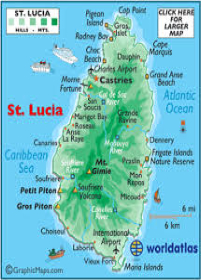
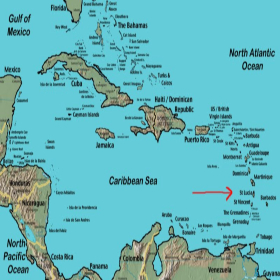
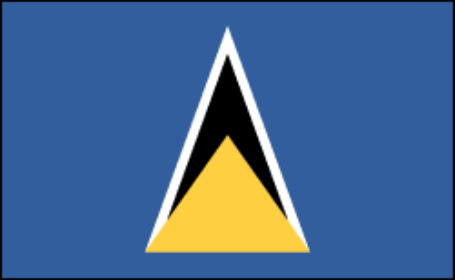
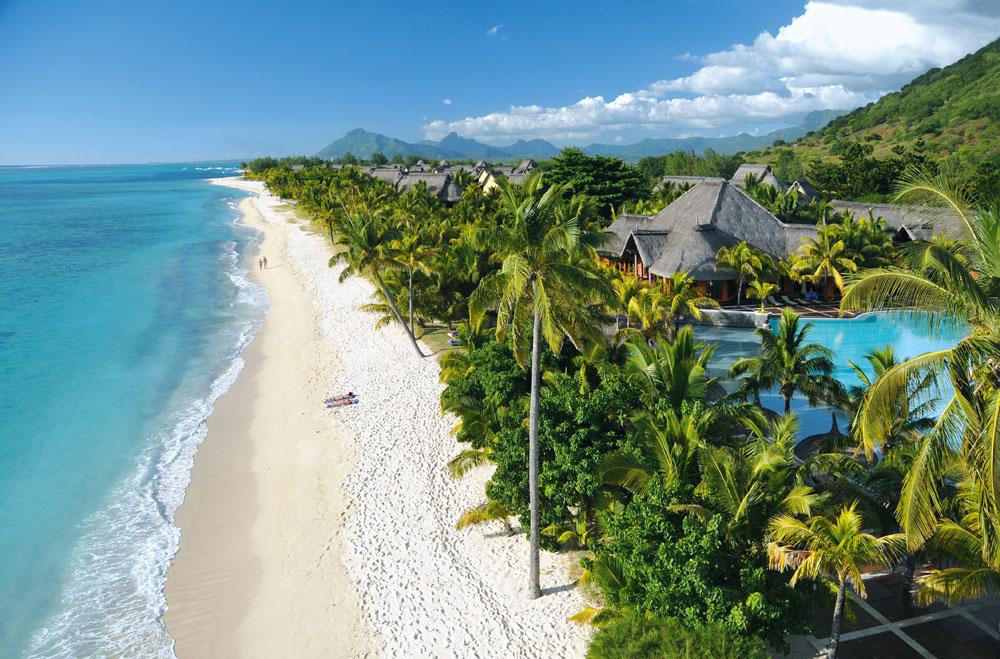
St. Lucia is the sort of island that travellers to the Caribbean dream about–a small, lush tropical gem that is still relatively unknown. One of the Windward Islands of the Lesser Antilles, it is located midway down the Eastern Caribbean chain, between Martinique and St. Vincent, and north of Barbados. St. Lucia is only 27 miles long and 14 miles wide, with a shape that is said to resemble either a mango or an avocado (depending on your taste). The Atlantic Ocean kisses its eastern shore, while the beaches of the west coast owe their beauty to the calm Caribbean Sea.
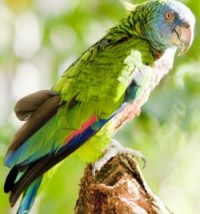
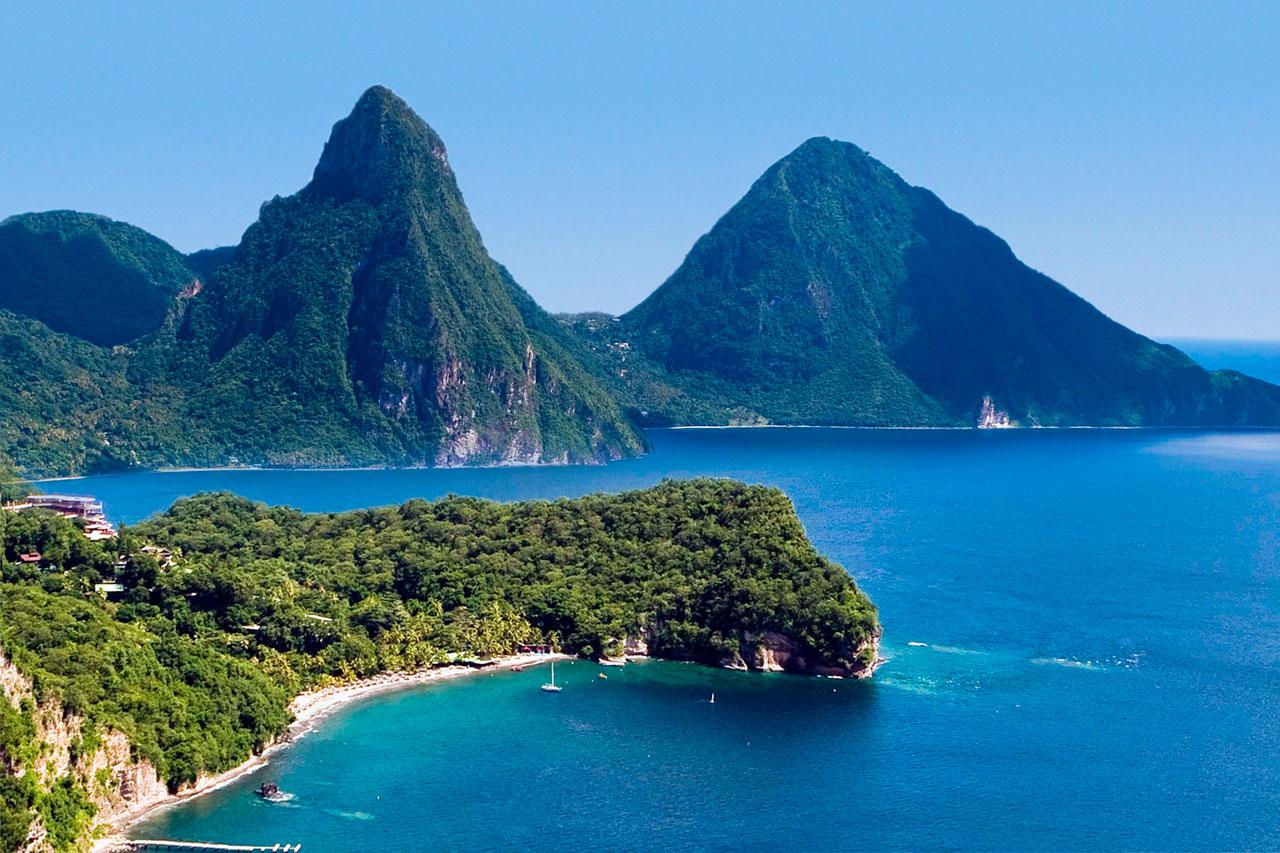
In natural beauty, St. Lucia seems like an island plucked from the South Pacific and set down in the Caribbean. Its dramatic twin coastal peaks, the Pitons, soar 2,000 feet up from the sea, sheltering magnificent rain forests where wild orchids, giant ferns, and birds of paradise flourish. Brilliantly-plumed tropical birds abound, including endangered species like the indigenous St. Lucia parrot. The rainforest is broken only by verdant fields and orchards of banana, coconut, mango, and papaya trees.
St. Lucia has been inhabited since long before colonial times, and its cultural treasures are a fascinating melange of its rich past and its many different traditions. The island’s people have earned a well-deserved reputation for their warmth and charm, and the island itself is dotted with aged fortresses, small villages, and open-air markets.
There is a broad array of exciting and exotic activities available on St. Lucia. The island’s steep coastlines and lovely reefs offer excellent snorkeling and scuba diving. The rainforest preserves of St. Lucia’s mountainous interior are one of the Caribbean’s finest locales for hiking and birdwatching. Of course, the island also possesses excellent facilities for golf, tennis, sailing, and a host of other leisure pursuits. Not to be missed is St. Lucia’s Soufriere volcano, the world’s only drive-in volcanic crater.
The History of St. Lucia
St. Lucia was first settled by Arawak Indians around 200 A.D., though by 800 their culture had been superseded by that of the Caribs. These early Amerindian cultures called the island “Iouanalao” and “Hewanorra,” meaning “Island of the Iguanas.”
The history of the island’s European discovery is a bit hazy. It was long believed that Columbus had discovered St. Lucia in 1502, but recent evidence suggests that he merely sailed close by. An alternative discoverer is Juan de la Cosa, a lesser-known explorer who had served at one time as Columbus’ navigator. There are some indications that de la Cosa may have discovered the island in 1499, although there is also evidence suggesting that he didn’t find the island until 1504. In any case, there was no European presence established on the island until its settlement in the 1550s by the notorious buccaneer Francois le Clerc, a.k.a. Jambe de Bois, or Wooden Leg. Peg-Leg le Clerc set up a fine little base on Pigeon Island, from whence he issued forth to prey upon unwitting and treasure-laden Spanish galleons. Around 1600, the Dutch arrived, establishing a fortified base at Vieux Fort.
The first attempt at colonization occurred just a few years later, in 1605. An unfortunate party of English colonists, headed to Guyana on the good ship Olive Branch, landed on St. Lucia after having been blown off course. In all, sixty-seven colonists waded ashore, where they purchased land and huts from the resident Caribs. After a month, the party had been reduced to only nineteen, and those were soon forced to flee from the Caribs in a canoe. A few decades later, in 1639, a second party of English colonists under Sir Thomas Warner also failed in their settlement attempt.
By mid-century the French had arrived, and had even “purchased” the island for the French West India Company. Needless to say, the persevering British were less than enchanted with this idea, and Anglo-French rivalry for the island continued for more than a century and a half. The island’s first settlements and towns were all French, beginning with Soufriere in 1746. By 1780, twelve settlements and a large number of sugar plantations had been established. Two years earlier, the British launched their first invasion effort at the “Battle of Cul de Sac.” By 1814, after a prolonged series of enormously destructive battles, the island was finally theirs.
Over the next century St. Lucia settled into the stable democracy and multicultural society that it is today. The country remained under the British crown until it became independent within the British Commonwealth in 1979. Despite the length of British rule, the island’s French cultural legacy is still evident in its Creole dialect.
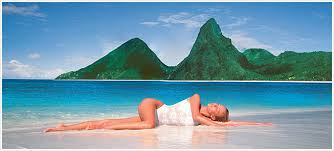
The calm and Romantic Caribbean Sea and the twin Pitons of St. Lucia
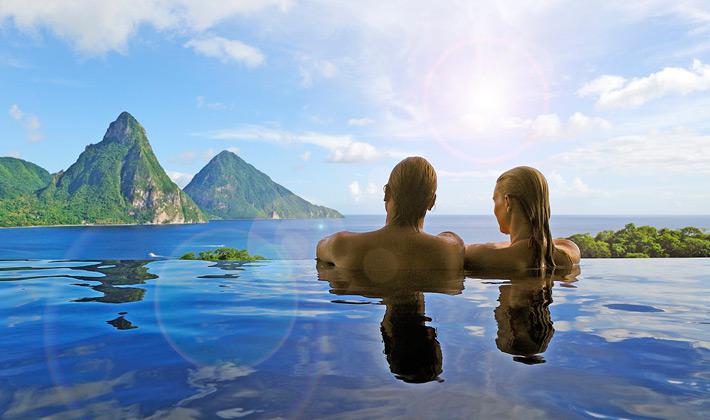
The beautiful twin Piton Mountains. A world heritage site
Beautiful romantic beaches of St. Lucia
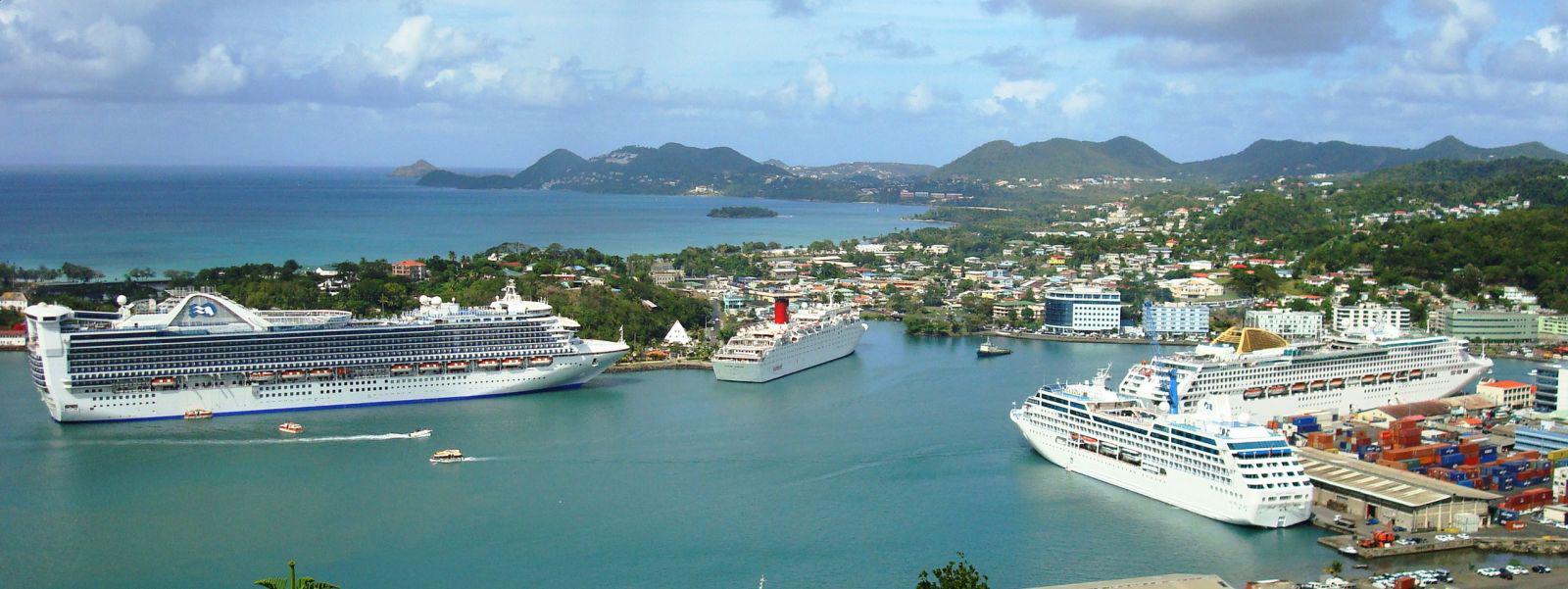
Castries Sea Port
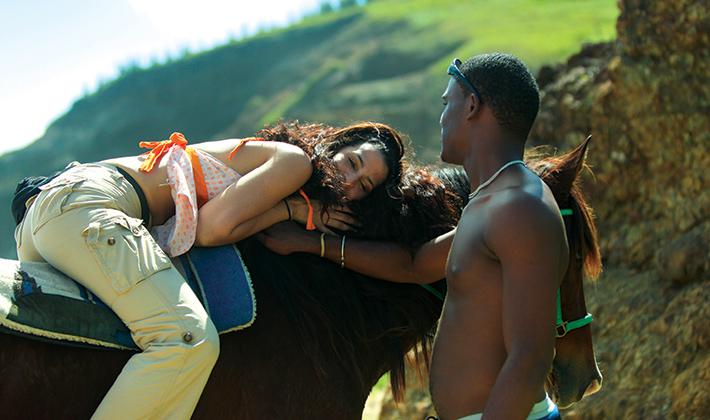
Enjoy romantic horse rides
lucia-thumb10
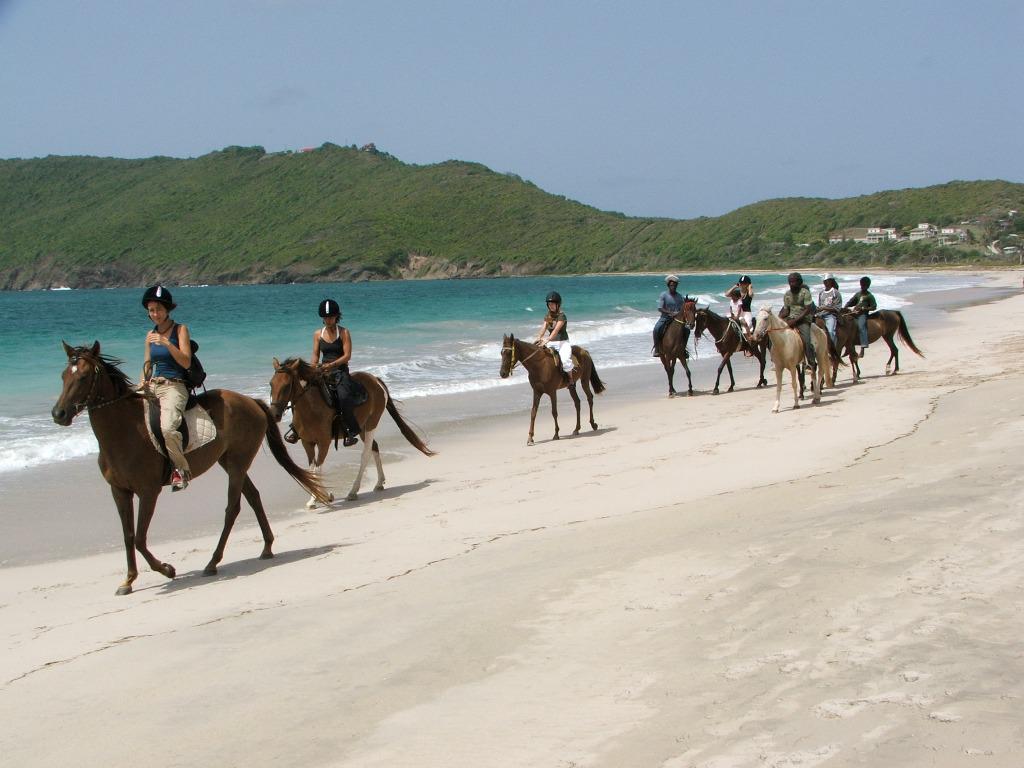
St. Lucia has been voted 3 times as World’s best honey moon destination. Visit St. Lucia and get to experience the carnival which takes place every year during the month of July. Other tourist attractions and exciting things to do including:
- Deep Sea Dive In St. Lucia
- Caribbean Sea
- National General Hospital
- Down Town Castries
- World’s Only Walk-In Volcano
- See St. Lucia’s National Bird
- Play with Elementary School Children
- Visit an Orphanage
- Watch the Beautiful Sunset
- Get Married
- Enjoy forest sky rides, visit the rain forest with water falls
- Enjoy deep sea diving and other water sports at the Rodney Bay Beach